Electronic Engineering Program — Bachelor, Master & Doctoral Degrees

Electronic Engineering

Developing engineers and researchers with the capability to design and build advanced technology — from embedded systems and AI to robotics, drones, satellites and spacecraft

View CurriculumApply Now
3 Levels
Bachelor — Master — PhD
8+
Specializations
100%
Hands-On Practice
Curriculum Scope

Technologies You Will Be Able to Develop

The program focuses on enabling students to build advanced technology prototypes at every level of study
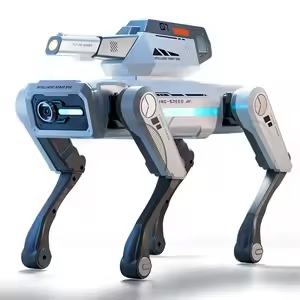
Industrial Robot
🤖 Industrial & Medical Robotics
Industrial & Medical Robotics Engineering

Design Robotic Systems Yourself

Precise, fast and intelligent robots — starting from your own electronic circuits

Students design motor drive systems for robotic arms with millimeter-level precision, develop Force/Torque sensor systems for medical robots, embed AI on Edge Devices for real-time decision making, and apply ROS2 to program robotic arm control in real-world environments.

Motor ControlServo & StepperForce/Torque SensingInverse KinematicsROS2Edge AIReal-Time Control

"The precision of a robot depends on the expertise of its electronic engineer"

Start Building Robots
🦾 Technology of the Future
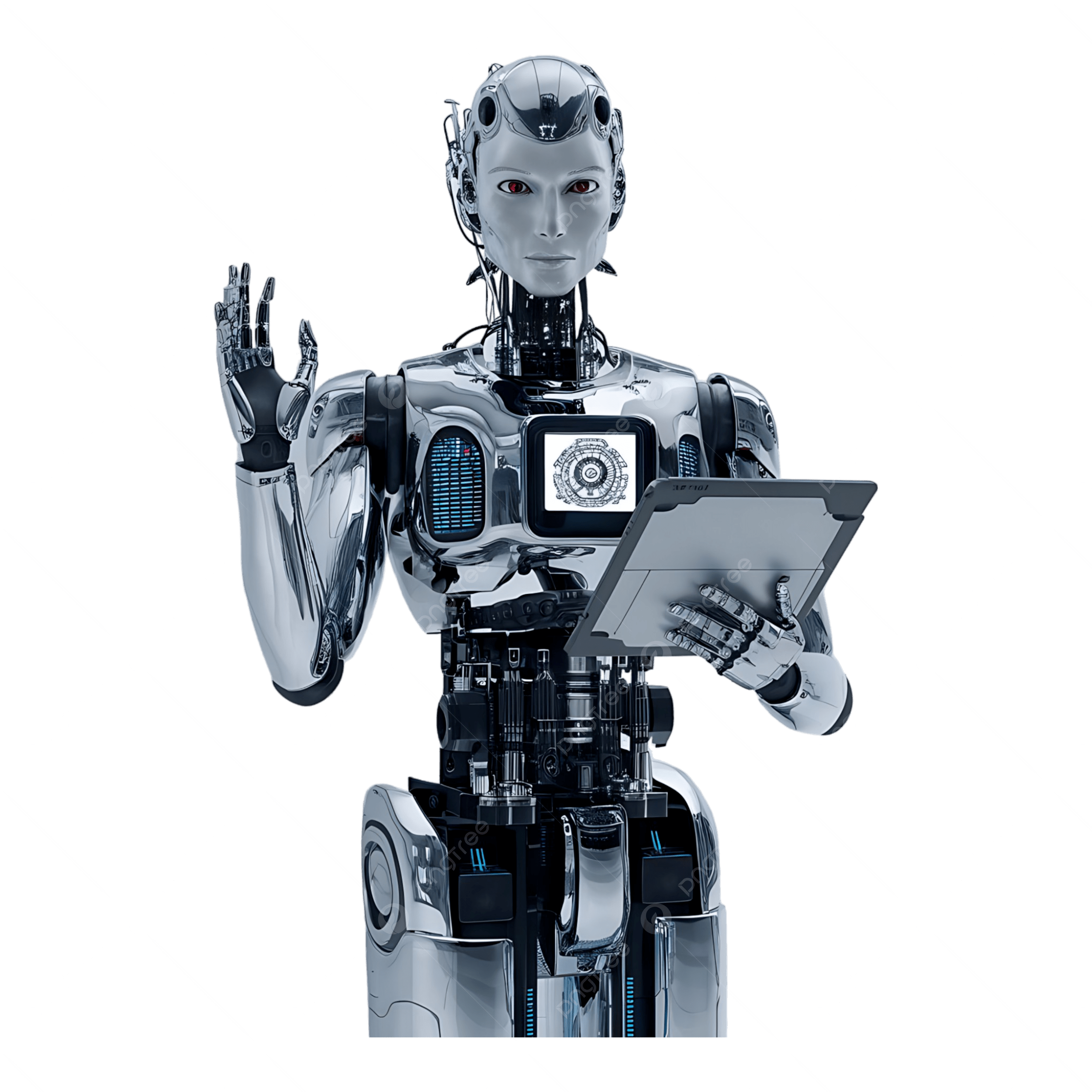
Humanoid Robotics Research

Build Humanoid Robots

Robots that walk, think and interact like humans

The most challenging frontier in Electronic Engineering — students research and develop Bipedal Locomotion systems for stable walking, Computer Vision systems that see and recognize, and Human-Robot Interaction systems that communicate naturally with people.

Bipedal LocomotionComputer VisionDeep LearningSensor FusionROS2Human-Robot Interaction

"Electronic engineers are the ones who bring robots to life"

Start Building Humanoids
Humanoid Robot
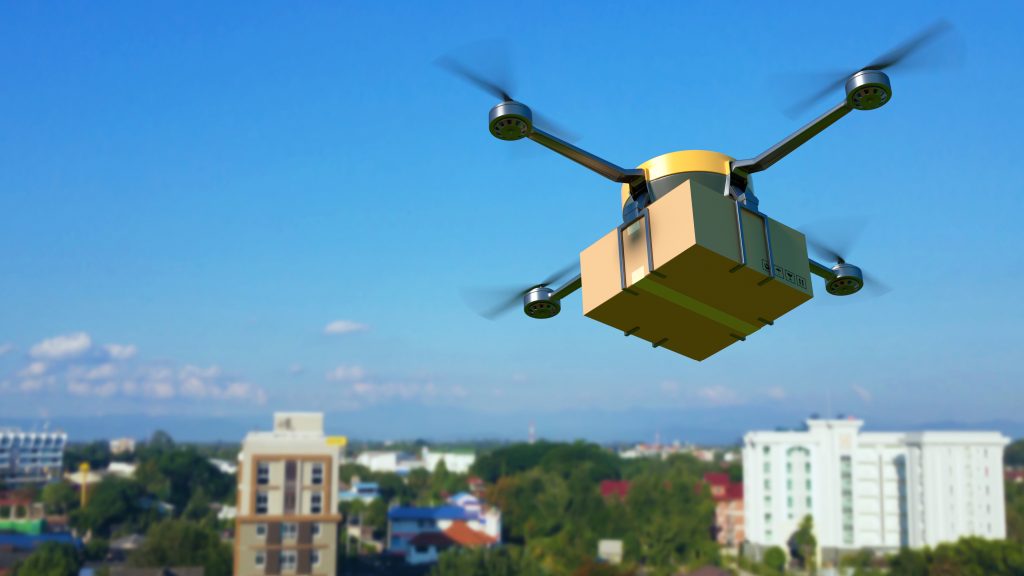
Drone UAV
🚁 Unmanned Aerial Systems
Drone & UAV Systems Engineering

Design & Develop Drones & UAV

Intelligent drones that fly themselves — you design every system inside

Students design and build Flight Controllers for real-time flight management, GPS/GNSS high-precision navigation, Autonomous Mission Planning so drones fly missions without a pilot, and Computer Vision integration for object detection and obstacle avoidance.

Flight ControllerGPS / GNSSPID ControlMAVLink / ArduPilotAutonomous MissionComputer VisionObstacle Avoidance

"Every drone in the sky has an electronic engineer behind it"

Start Building Drones
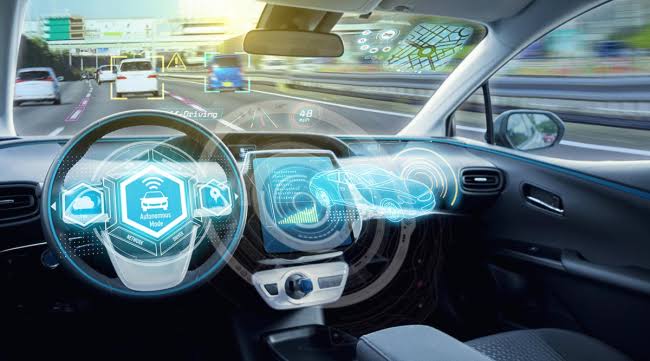
Autonomous Vehicle
🚗 Intelligent Autonomous Vehicles
Autonomous Vehicle Systems Engineering

Build Cars That Drive Themselves

Vehicles that see, think and decide in real time — without a driver

Students integrate LiDAR, radar and multiple cameras, develop Sensor Fusion using Kalman Filters, embed Deep Learning on GPU modules for object and lane recognition, and design Path Planning systems that select the safest route in real time.

LiDAR / RadarCamera FusionKalman FilterDeep LearningPath PlanningNVIDIA JetsonROS2

"A self-driving car is the ultimate victory of electronic engineering"

Start Building Autonomous Vehicles
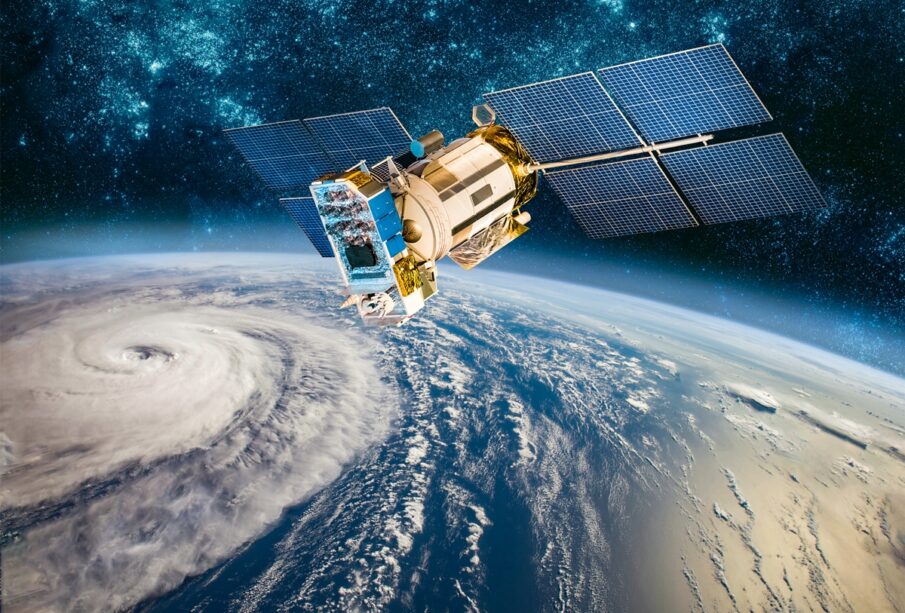
Satellite
🛰️ Satellite & Space Systems
CubeSat & Satellite Systems Engineering

Launch Your Own Satellite Into Orbit

From the lab to orbit — students design real satellites

The program enables students to design and build On-Board Computers (OBC) for CubeSat control, Power Management Systems from solar panels, Telemetry Systems for transmitting data from space, and Attitude Determination Systems for controlling satellite orientation in orbit.

On-Board Computer (OBC)Power ManagementSolar Power ControllerTelemetry SystemGNSS / GPSAttitude DeterminationCubeSat Design

"Every satellite in orbit began with foundational knowledge in electronics"

Start Designing Satellites
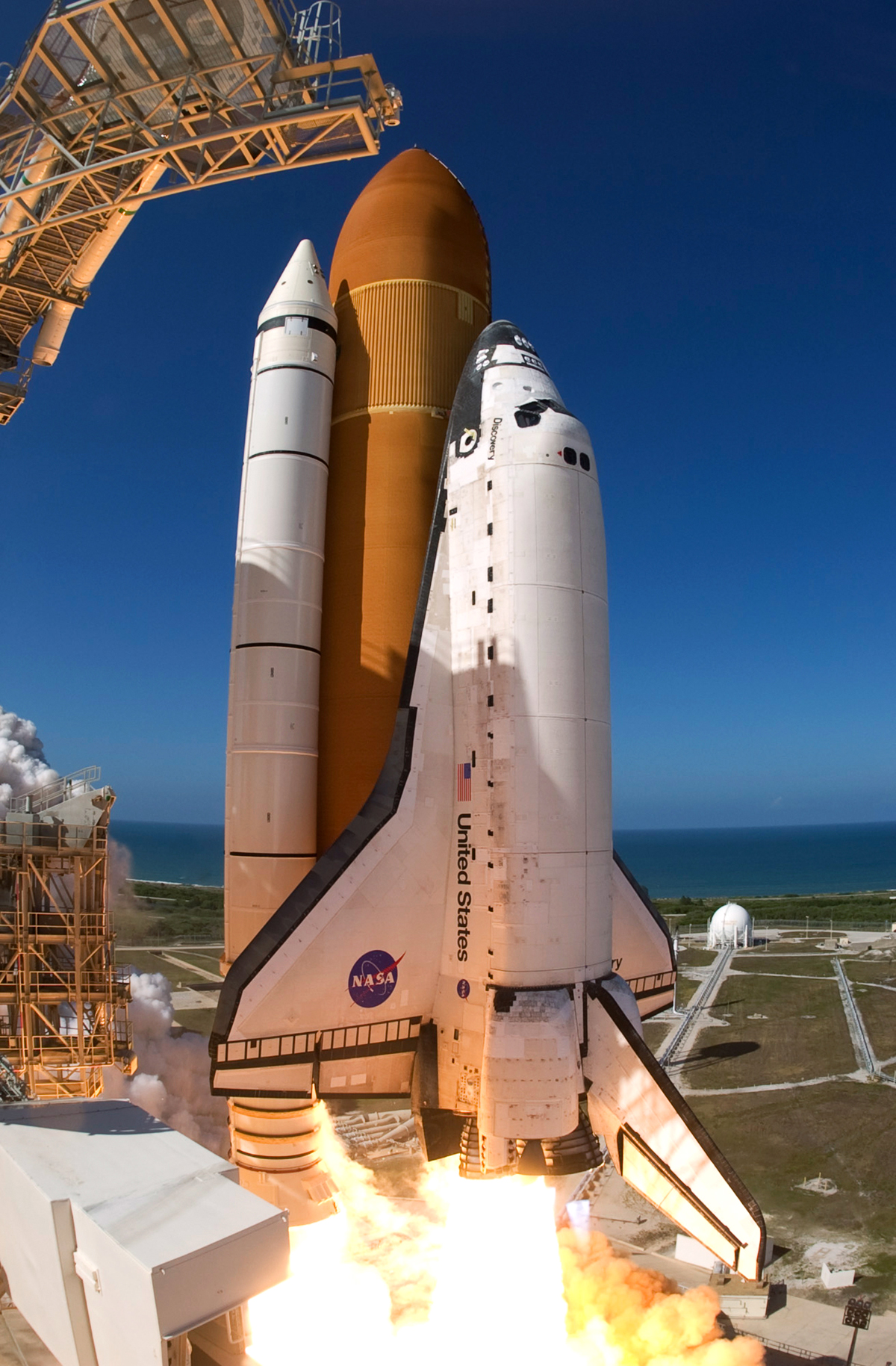
🚀 Spacecraft Systems Engineering
Spacecraft Electronics & Systems Engineering

Design Electronics for Spacecraft

The technology that sends humans beyond Earth — you build those systems

Students study and develop Flight Computers that operate in space radiation, Guidance Navigation & Control (GNC) systems to guide spacecraft to targets, Propulsion Electronics for thrust control, and Sensor Fusion systems that combine multiple sensor inputs for precision navigation.

Flight ComputerGNC SystemsSensor FusionPropulsion ElectronicsRadiation HardeningTelemetryAutonomous Control

"Every spacecraft is the work of thousands of electronic engineers"

Head to Space
Space Shuttle Launch
เหตุผล

Why Study Electronic Engineering

Electronic Engineering is the indispensable foundation for every form of advanced technology

🔬
Foundation of Modern TechnologyFoundation

Robots, drones, satellites and spacecraft all depend on electronic circuits, control systems and embedded computing as their core

🧠
Artificial Intelligence Meets HardwareInnovation

Merging AI with hardware creates truly intelligent autonomous systems — from Edge AI on microcontrollers to space systems

🌏
National and International ImpactImpact

Electronic engineers work in the space industry, medicine, defense and energy — all of which directly contribute to sustainable national development

💼
High-Demand Career PathCareer

Robotics engineers, satellite engineers, AI engineers and embedded systems engineers are among the most sought-after professionals globally

หลักสูตร

Core Knowledge Areas

Electronics Fundamentals
Analog & Digital Circuits
Power Electronics
PCB Design
Embedded Systems
💻
Programming & Software
C / C++ / Python
RTOS & Linux
ROS2 (Robot OS)
Edge AI / ML
🎛️
Control & Sensors
PID / Modern Control
Sensor Fusion
Kalman Filter
State Space
📡
Communication Systems
UART / SPI / I2C / CAN
RF Engineering
Satellite Comms
Wireless & IoT
🤖
Robotics & AI
Computer Vision
SLAM Navigation
Autonomous Systems
Humanoid Robotics
🛸
Aerospace & Space
CubeSat Design
Orbital Mechanics
GNC Systems
Space Electronics
เส้นทางการศึกษา

Academic Pathway

The program is designed to allow students to develop expertise continuously at every level

01Bachelor's Degree
Bachelor of Engineering
4 Years
Years 1–2
Calculus I–II
Physics
C Programming
Analog & Digital Electronics
Embedded Systems
PCB Design
Years 3–4
Robotics & Control Systems
AI & Computer Vision
Communication Systems
Satellite Engineering
Senior Project
🎯Capable of designing and building robot prototypes, drones or embedded systems
02Master's Degree
Master of Engineering
2 Years
Year 1
Advanced Embedded Systems
AI for Robotics
UAV & Drone Systems
Autonomous Vehicles
Year 2
Space Systems Engineering
Computer Vision & ML
Advanced Control Systems
Master Thesis
🎯Develop Smart UAV, Service Robots, CubeSat or advanced autonomous systems
03Doctoral Degree
Doctor of Philosophy
3–5 Years
Advanced Research
Humanoid Robots
UAV Swarm Technology
Space Robotics
AI for Aerospace
New Innovations
Autonomous Defense Systems
Satellite & CubeSat Systems
UGV Research
Space Communication
🎯Lead cutting-edge research and development at the international frontier
อาชีพ

Career Opportunities

Program graduates are prepared for careers that are in high demand globally

🤖
Robotics Engineer

Design and develop robotic systems for industry and medicine

🛰️
Satellite Systems Engineer

Develop satellites and space communication systems

🚀
Space Systems Engineer

Design systems for spacecraft and space missions

🧠
AI Engineer

Build AI systems for robotics and autonomous applications

🚁
UAV Engineer

Design drones and autonomous UAV systems

🔬
Embedded Systems Engineer

Develop firmware and real-time systems for hardware

🚗
Autonomous Vehicle Engineer

Build self-driving systems for vehicles and transport

🛡️
Defense Technology Engineer

Research and develop defense technology systems

Academic Team
Supawat Kochapradit
Curriculum Developer

Supawat Kochapradit

Lecturer, Ph.D. · Electronic Engineering

Expert in Electronic Engineering, Embedded Systems, and Robotics Technology with extensive international research experience. Dedicated to developing the next generation of engineers capable of building world-changing technology.

Ph.D. Electronic EngineeringEmbedded SystemsRoboticsAI & Control Systems
Nattaphon Tonglo
Research Assistant

ณัฐพนธ์ ทองหล่อ

Nattaphon Tonglo · Research Assistant of Supawat Kochapradit

Research assistant in autonomous robotics and embedded systems — designed and built a real Multi-Mission Autonomous Robot Platform using ROS2, Teensy firmware, LiDAR, RTK GPS, and Edge AI on Jetson Nano, alongside developing MQTT Telemetry architecture and a real-time cloud dashboard for robot monitoring.

ROS2 & Nav2Teensy FirmwareJetson Edge AIMQTT TelemetryLiDAR IntegrationCAN BusMotor ControlFull-Stack Dev
Real Research Output

Multi-Mission Autonomous Robot Platform

Fully autonomous multi-mission robot — navigating and operating independently in real environments

Nattaphon Tonglo · Research Assistant under Supawat Kochapradit

An autonomous robot capable of mowing and cleaning surfaces without human control, using LiDAR for obstacle detection, RTK GPS for ±2cm navigation accuracy, 9-DOF IMU, Edge AI on Jetson Nano for 3-level hazard detection, and MQTT Telemetry for real-time cloud data streaming.

Development Phases
Motor Control E2E
Jetson → MQTT → Teensy 4.0 → PWM → Motor running
Edge AI Hazard Detection
3-level: FAR / NEAR (70% speed) / CRITICAL → hard brake <2m
LiDAR Integration
YDLIDAR X4, safety zones, SLAM mapping, obstacle avoidance
RTK GPS Navigation
ZED-F9P ±2cm accuracy, real outdoor path planning
Real-time Dashboard
WebSocket + MQTT → motor state, LiDAR, camera stream in browser
CAN Bus Motor Upgrade
Fardriver + VESC (FOC control) — in development
Tech Stack Used
ROS2 HumbleNVIDIA JetsonTeensy 4.0YDLIDAR X4RTK GPS ZED-F9PIMU BNO085CAN BusMQTTNav2SLAM ToolboxYOLONode.jsWebSocketLiFePO4 48VCytron MDD20APython
Hardware
Edge ComputerNVIDIA Jetson Nano / Orin Nano
MCUTeensy 4.0 (C++ firmware)
LiDARYDLIDAR X4
GPSRTK ZED-F9P (±2cm)
IMUBNO085 9-DOF
PowerLiFePO4 48V 100Ah + BMS
วิสัยทัศน์

Program Vision

The Electronic Engineering program is committed to producing engineers and researchers with the concrete capability to build technology — from designing their first electronic circuit to a satellite orbiting in space — in order to drive the nation's technology industry into the future.

🛠️Hands-on hardware experience from Year 1
🤝Collaboration with international research laboratories
🌏Graduates have opportunities at leading space agencies including NASA, ESA and JAXA
🏭Contributing to the development of the nation's Robotics and Aerospace industries
สมัครเรียน

Begin Your Electronic Engineering Journey

Develop the capability to build technology that will change the world

Apply — Bachelor's DegreeApply — Master's / Doctoral Degree
ElectronicsEmbedded C/C++ROS2PCB DesignAI / MLSLAMRoboticsCubeSatDrone / UAVAutonomous SystemsKalman FilterComputer Vision